
3 min read
Face Shapes
By Henry
• Published on August 16, 2024

Contents
Everything You Need to know about Face Shapes for Mewing
Understanding your face shape is crucial for maximizing the benefits of mewing, a technique that involves proper tongue posture to enhance facial structure and aesthetics. Each person’s unique look is influenced by factors like height, complexion, body type, hair colour, and, importantly, face shape. Knowing your face shape can guide you in choosing the best mewing exercises, hairstyles, and makeup, creating a balanced and trendy look. Your appearance can be your personal brand, making a lasting impression within seconds, whether it's at a job interview or a first date. Here’s a guide to different face shapes and how to style them.
How to Identify Your Face Shape
Before diving into specific face shapes, it's essential to know how to identify your own. Here's a simple way to determine your face shape:
- Measure Your Forehead: Measure the width of your forehead at its widest point.
- Measure Your Cheekbones: Measure the width from the edge of one cheekbone to the other.
- Measure Your Jawline: Measure the width from the tip of your chin to below your ear at the jaw's widest point, then multiply by two.
- Measure Your Face Length: Measure from the centre of your hairline to the tip of your chin.
Compare these measurements to determine your face shape.
Common Face Shapes
Oval Face Shape
An oval face shape is often considered ideal due to its balanced proportions. This face shape is slightly longer than it is wide, with a smooth chin and jawline. Almost any hairstyle suits an oval face, but avoid styles that make the face appear longer.
Round Face Shape
A round face has equal width and height with full cheeks and a rounded jawline. Voluminous hairstyles and high updos can help elongate the face. In terms of makeup, highlighting the eyes and eyebrows can draw attention upward.
Square and Rectangle Face Shapes
Square faces have equal width and height with a prominent jawline and straight hairline. Rectangle faces are similar but more elongated. Soft, flowing hairstyles can soften the angles of these face shapes. For makeup, accentuating the cheekbones can enhance the face’s structure.
Heart Face Shape
Heart-shaped faces feature a broader forehead and a narrow, pointed chin. Hairstyles that add volume around the chin and avoid heavy styles at the forehead are ideal. Bangs can help balance a wider forehead.
Triangle Face Shape
Triangle Face Shape faces feature a broader forehead and a narrow, pointed chin. Hairstyles that add volume around the chin and avoid heavy styles at the forehead are ideal. Bangs can help balance a wider forehead.
Oblong Face Shape
Oblong faces are longer than they are wide, often appearing more elongated than an oval. Voluminous hairstyles can help shorten the appearance of the face. Avoid high ponytails that lengthen the face further.
Diamond Face Shape
Diamond faces have wide cheekbones with a narrow forehead and chin. Hairstyles that add volume at the top or bottom can help balance the face. Long bobs and styles that reduce emphasis on the cheekbones are flattering.
Pear Face Shape
Triangle faces have a broader jawline compared to the forehead and cheekbones. This shape benefits from hairstyles that add volume at the crown to balance the broader jawline. Short, messy styles can create a more harmonious look.
Conclusion
Knowing your face shape is crucial for selecting the most flattering mewing exercises, hairstyles, and makeup techniques. By understanding your unique features, you can enhance your natural beauty and make a memorable impression. Whether you’re preparing for an important event or just updating your look, these tips will help you make the best choices for your face shape.
__Start your mewing journey today and see the transformation! Download our Mewing app here to get personalized tips and exercises tailored to your face shape. __
Henry
Henry is a dedicated health and wellness writer for the Mewing app blog page. Henry provides readers with comprehensive guides, practical tips, and the latest research on mewing and facial exercises. His articles aim to educate and inspire users to incorporate mewing into their daily routines for improved facial posture and overall well-being.
Related posts
29 min read
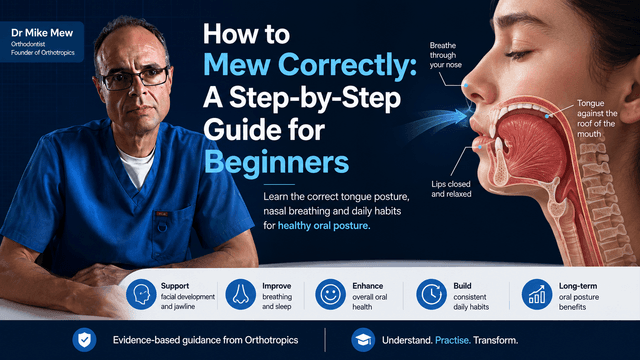
How to Mew Correctly: A Step-by-Step Guide for Beginners
Learn how to mew correctly with this practical step-by-step beginner's guide covering tongue position, jaw and lip posture, nasal breathing, common mistakes, daily habits and frequently asked questions.
By Mike Mew

22 min read
What Is Mewing? The Complete Beginner's Guide
A complete beginner's guide to mewing, covering correct tongue posture, oral posture, nasal breathing, the origins of Orthotropics, realistic expectations and how to build consistent habits.
By Mike Mew

3 min read
The Great Mewing Event
Mike Mew has officially announced The Great Mewing Event, set to take place on 6th September at Logan Hall.
By Mike Mew
