
3 min read
How Nasal Breathing Can Transform Your Stress Response
By Mike Mew
• Published on December 02, 2024
Contents
How Nasal Breathing Can Transform Your Stress Response
In today’s fast-paced world, stress has become a near-constant companion for many people. However, simple breathing techniques can offer relief by activating the body’s relaxation response. Patrick McKeown, a leading expert in breathwork, highlights the profound effect that nasal breathing can have on our stress levels, explaining that “mouth breathing drives a sympathetic activation – the body’s fight-or-flight response, whereas nasal breathing can foster calm by engaging the parasympathetic nervous system.”
Understanding the Body’s Stress Response
Our autonomic nervous system is divided into two branches: the sympathetic, which prepares the body for action, and the parasympathetic, which promotes relaxation and healing. During stress, we often shift into sympathetic mode, characterised by shallow, rapid breathing through the mouth, which signals the body to stay alert and vigilant. While helpful in emergencies, chronic activation of this stress response can lead to tension, anxiety, and even physical health issues.
Nasal breathing, on the other hand, naturally slows the breath and encourages diaphragm engagement, a shift that activates the parasympathetic “rest-and-digest” response. McKeown notes, “By focusing on nasal breathing, you can trick the body into feeling safe. Calm, slow nasal breaths tell the brain that all is well, leading to a calmer state of mind.”
The Role of Nitric Oxide and Slow Breathing
Breathing through the nose not only slows the breath but also increases nitric oxide production. Nitric oxide helps open blood vessels and improve oxygen circulation, which helps regulate breath and maintain a steady heart rate. When combined with slow exhalations, nasal breathing becomes a powerful tool for managing stress. “The speed of the exhalation, not the inhalation, is key,” McKeown explains, “A slow, gentle exhalation tells the brain we are safe, reducing the stress response.”
Studies show that nasal breathing exercises can improve focus and reduce feelings of anxiety. Individuals who practice nasal breathing often report a greater sense of calm, reduced feelings of tension, and improved mental clarity. This practice can be especially helpful during high-pressure situations such as presentations, exams, or even stressful meetings.
How to Practise Nasal Breathing for Stress Reduction
To begin, McKeown recommends a simple breathing exercise that involves inhaling slowly through the nose and then exhaling even more slowly. This helps engage the diaphragm, oxygenates the blood, and relaxes the body. Repeat this cycle for a few minutes each day or whenever stress levels begin to rise.
Keeping the lips gently closed throughout the day and making nasal breathing a consistent habit can reinforce the body’s relaxation response. Those who mouth-breathe during sleep may also benefit from using a gentle mouth tape to encourage nasal breathing overnight, promoting restorative, uninterrupted rest.
Conclusion
Nasal breathing is a powerful tool for managing stress and fostering calm. By slowing the breath and enhancing oxygen flow, it activates the body’s natural relaxation mechanisms, supporting both mental and physical health. Practising nasal breathing regularly can help individuals manage daily stressors and improve their overall well-being.
To learn more about how airway-centric orthodontics can help address this public health issue, visit the Mewing YouTube channel for informative content.
You can also contribute to the cause and access valuable resources by subscribing to the Mewing App by Mike Mew. Join the movement and be part of the solution to improving airway health worldwide.

Mike Mew
Mike Mew is the British founder of mewing, known for his innovative approach to improving facial structure and oral posture naturally. He is a leading pioneer of Orthotropics, an approach developed by his father, Professor John Mew.
Related posts
29 min read
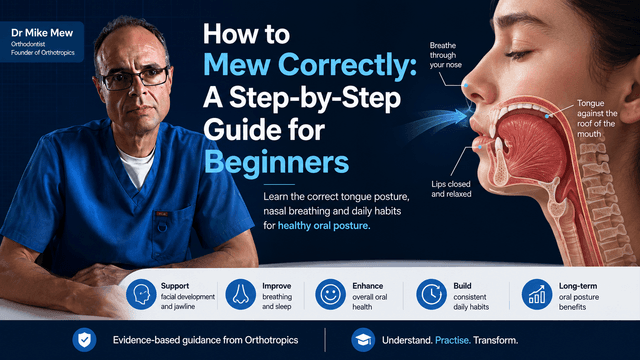
How to Mew Correctly: A Step-by-Step Guide for Beginners
Learn how to mew correctly with this practical step-by-step beginner's guide covering tongue position, jaw and lip posture, nasal breathing, common mistakes, daily habits and frequently asked questions.
By Mike Mew
22 min read
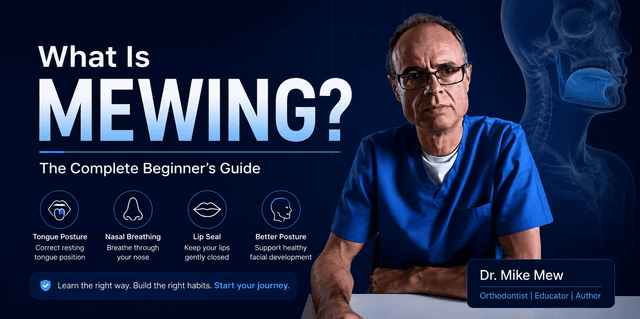
What Is Mewing? The Complete Beginner's Guide
A complete beginner's guide to mewing, covering correct tongue posture, oral posture, nasal breathing, the origins of Orthotropics, realistic expectations and how to build consistent habits.
By Mike Mew

3 min read
The Great Mewing Event
Mike Mew has officially announced The Great Mewing Event, set to take place on 6th September at Logan Hall.
By Mike Mew
